Host Mode: Why Social Apps Should Be Built for the Person Who Sends the Group Text
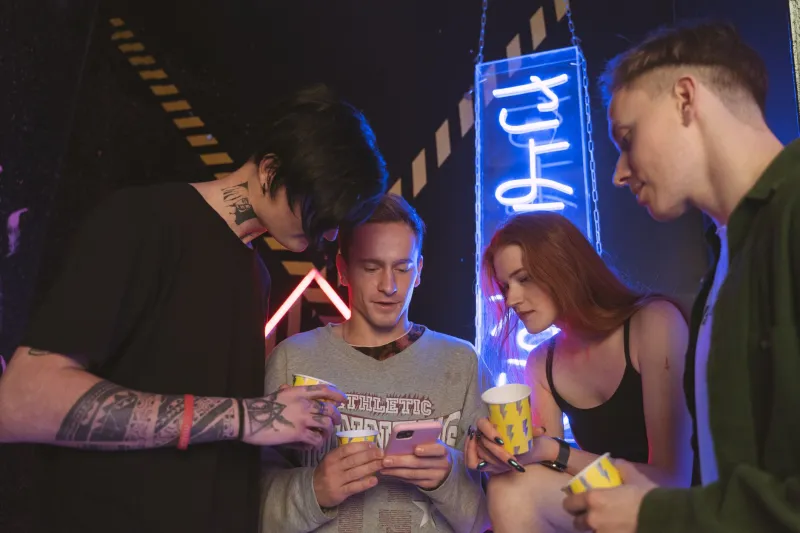
Every group plan starts with a small act of heroism. Someone opens the group chat, types "dinner Thursday?", and immediately becomes the unofficial project manager for a six-person social life. They field the maybes, the plus-ones, the dietary restrictions, and the friend who replies only with a thumbs-up emoji. By the time the table is booked, they've done more logistics than most people do at work.
And yet, open almost any social app and you'll find the same pattern: the attendee is the star. The feed is built for browsing. The RSVP screen is built for tapping. The notification system is built for re-engagement. The person who actually makes the plan happen is left to freelance with screenshots, calendar links, and a Venmo request that goes out three days late.
That's a product gap worth fixing. If social apps want more real-world meetups and stickier sign-ups in 2026, they should stop treating the host as a background process and start building for them on purpose.
The Organizer Is the Only User Who Has to Care
There's a quiet asymmetry in every group plan. Attendees can coast. They can say "maybe" and mean "probably not." They can show up late, leave early, or cancel at 4 p.m. on the day of. The host carries the plan's weight: the reservation, the headcount, the deposit, the seating chart, the text that says "hey, are you still coming?"
Most apps don't acknowledge that labor. They optimize for the easy tap—the like, the RSVP, the join. But the host is the one who opens the app five times in two days to see if anyone actually committed. They're the one who needs a clear answer to "how many chairs?" not a maybe pile with seventeen avatars.
If you design for the attendee, you get more attendees. If you design for the host, you get more plans. And more plans mean more reasons to open the app next week.
What Host-First Actually Looks Like
A host-first feature set isn't complicated. It's mostly about removing the small indignities of organizing people. Here's what that could look like in practice:
One-tap reminders that don't feel like nagging. The host shouldn't have to copy-paste the same message to four different people. A single "nudge the maybes" button—polite, clear, and limited to once—would save the organizer from becoming the group's least favorite person.
A headcount that updates itself. Not a guest list that requires manual math. A live number: confirmed, pending, declined. If the host is booking a table for eight, they need to know if eight is real. A dashboard view beats a scroll of emoji reactions every time.
Cost splitting without the awkward follow-up. Group dinners, tailgates, birthday gifts, fantasy football dues—the host often fronts the money and then spends a week chasing Venmo transfers. An app that lets the host attach a cost to the plan and split it automatically would erase one of the most reliable sources of group-chat friction.
Graceful no-show handling. Life happens. But the host shouldn't have to guess whether a no-show is a flake or an emergency. A simple "still coming?" ping an hour before, plus a quiet way to release a reservation, would let the host adjust without drama.
None of these features are flashy. They don't demo well in a launch video. But they solve the exact problems that make people stop hosting. And when hosting gets easier, more people do it.
Attendee-Optimized Apps Create More Work
The default social app playbook is built around consumption: scroll, react, repeat. That works for feeds. It doesn't work for plans. Plans are coordination problems, and coordination problems require a different set of tools—ones that prioritize clarity over engagement, and closure over endless optionality.
When an app only optimizes for the attendee, the host ends up building a shadow system outside the app. Screenshots of the guest list. A separate note for who paid. A text thread to confirm the reservation. The app becomes a suggestion box, not a tool. And the host learns a simple lesson: next time, I'll just use a group text and a calendar invite.
That's the churn risk most social apps don't see coming. The host doesn't leave because the feed got boring. They leave because the app made their job harder than a Notes app and a Venmo request.
The Stickiness Is in the Group Chat, Not the Feed
There's a reason group chats are so durable. They're ugly, chaotic, and full of inside jokes, but they get the job done. They're where plans actually happen. Social apps that want to matter in 2026 should study that behavior instead of trying to replace it.
The hook isn't a better feed. It's being the place where the plan comes together. If the host can book, remind, collect, and confirm in one place, the app earns a spot in the planning loop. That's a much stronger habit than a daily scroll. It's also a natural invitation engine: every plan brings new people into the app, not as passive viewers but as participants with a reason to sign up.
Host-first design doesn't mean ignoring attendees. It means recognizing who's doing the work and giving them tools that respect it. The host is the product's best power user. Treat them like it.
A Small Shift With a Big Payoff
The next wave of social apps won't win by adding more feed. They'll win by being genuinely useful to the person who sends the group text. One-tap nudges, live headcounts, built-in splits, and no-show etiquette aren't glamorous features. But they're the difference between an app that hosts a plan and an app that hosts a habit.
If your social app wants more real-world meetups, start with the person who makes them happen. The host is not a background character. They're the whole reason the table gets booked.